
Elevation Certificate Updates After Raising Outdoor HVAC Equipment
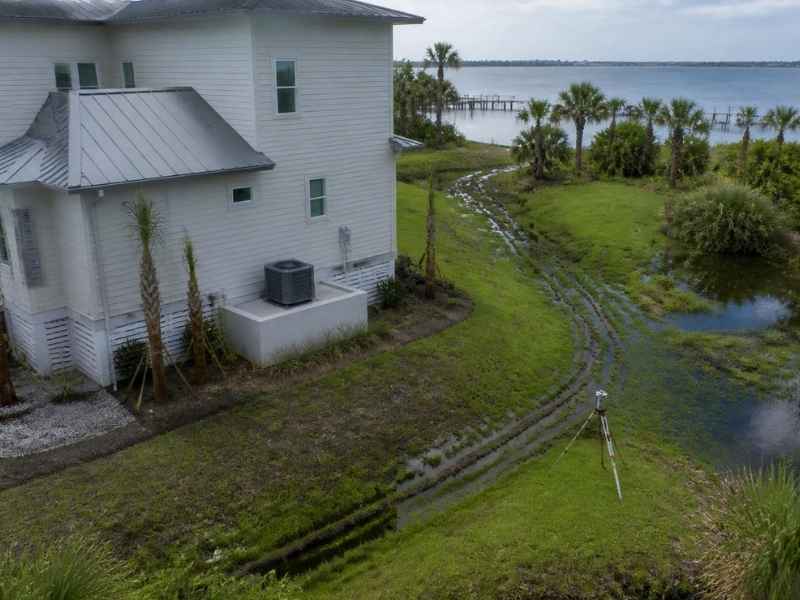
You raised the outdoor AC unit to keep it above flood water. Smart move. Then your lender, your insurer, or the county asks a question you did not expect: does the Elevation Certificate on file still match the property? An Elevation Certificate records where key equipment sits relative to flood levels, and moving that equipment can make the old document out of date. In a flood-prone spot like Pensacola, that gap between paper and reality is worth closing before it costs you.
Why Raised HVAC Equipment Can Affect Flood Documentation
Outdoor mechanical gear is part of a building’s flood story. Air conditioners, heat pumps, and similar units sit outside and low, right where rising water reaches first. Their height above the flood level is one of the detailed flood records. Change that height, and the record no longer describes the site.
Raising the unit is a common fix after a scare. A property owner sets the equipment on a taller pad or platform to lift it clear of the base flood elevation. That is exactly what floodplain rules encourage. The problem is that the paperwork does not update itself when the concrete does.
For a developer, the mismatch is a paperwork risk, not just a technical one. A file that shows the old, lower elevation can raise flags during a sale, a refinance, or a permit review. Someone will notice that the document and the field do not agree. Fixing the record ahead of time keeps a deal from stalling at a bad moment.
What an Elevation Certificate Records About Building Equipment
An Elevation Certificate is a standardized form built around measured heights. A licensed surveyor fills it out using real field data tied to an official vertical datum. It captures the lowest floor, the ground around the building, and other key points. Machinery and equipment are part of that list.
One section deals directly with servicing equipment. This covers items like the HVAC unit, elevators, and similar gear that keeps the building running. The form asks for the elevation of the lowest such equipment. When your outdoor unit is the lowest piece, its height is the number that lands there.
Why the equipment elevation matters
That single figure carries real weight in a flood zone:
- It shows whether critical gear sits above or below the base flood elevation
- It feeds into how flood risk on the property is judged
- It can affect flood insurance rating under current rules
- It signals to reviewers that the building meets local elevation standards
When you raise the unit, that number should go up. An Elevation Certificate that still shows the old height understates what you actually did. You made the property safer, so the record should say so.
When Updated Elevation Information May Be Needed
Not every change calls for a new certificate, but several common moments do. A property improvement that moves the lowest equipment is a clear one. If the HVAC work was part of a larger renovation or a substantial improvement, local floodplain rules may require fresh documentation anyway. The permit for the work often sets that expectation.
Insurance and lending are the other frequent triggers. A flood insurer may ask for a current Elevation Certificate to rate a policy, and an accurate equipment height can matter to that rating. A lender reviewing a purchase or refinance may want the file to reflect the property as it stands today. An outdated form invites questions you would rather avoid.
Local review rounds out the list. A floodplain administrator may ask for updated elevation data when you close out a permit or seek a new one. Some jurisdictions want proof that the raised equipment truly clears the required height. A current certificate answers that in one document instead of a back-and-forth.
How Surveyors Verify the New Equipment Elevation
A surveyor does not guess at the new height. They return to the site and measure the raised equipment against a known reference. That reference ties back to an official vertical datum, so the number means the same thing to FEMA, the county, and the insurer. Consistency in that datum is what makes the figure trustworthy.
The field visit captures more than one point. The surveyor confirms the elevation of the new HVAC pad or platform, then relates it to the building’s other key heights and the ground nearby. They also check it against the flood information for the site, like the base flood elevation. The result is a clear comparison between where the equipment sits and where the water is expected to reach.
That measured relationship is the heart of the update. Numbers pulled from real survey work hold up under review far better than a contractor’s rough estimate. The surveyor then records the new figures on the certificate and seals it. What you get is a document that matches the property and stands up to scrutiny.
What to Check Before Requesting an Updated Elevation Certificate
Do a little homework first, and the update goes smoother. Start with your local floodplain office. Confirm whether your jurisdiction actually requires a new certificate for the work you did, since rules vary from place to place. A quick call can tell you if this is a must or just a good idea.
Next, get clear on the scope of the HVAC job:
- Was the outdoor unit the lowest servicing equipment on the property?
- How high was it actually raised, and on what kind of pad or platform?
- Was the work permitted, and do you have those permit records handy?
- Did any other elevation-related work happen at the same time?
Those answers shape whether an update helps you and what the surveyor needs. Pull together any existing Elevation Certificate, permits, and plans before you call. Handing over that packet up front saves time and cost. Then let a licensed surveyor confirm whether a fresh certificate is warranted before you order one you may not need.
Frequently Asked Questions
Does raising my outdoor AC unit always require a new Elevation Certificate?
No, not always. Whether an update is needed depends on local floodplain requirements, the scope of the work, and whether a lender, insurer, permitting office, or other authority requests current elevation information. If the raised unit changes the documented elevation of building equipment, an updated certificate may be useful. Check with the local floodplain administrator before ordering one.
Can a raised HVAC unit lower my flood insurance cost?
It may affect the information used to evaluate flood risk, but it does not guarantee a lower premium. The elevation of building equipment can be one factor considered in flood insurance rating. A current Elevation Certificate can provide updated information for an insurer to review. Property owners should ask their insurance provider how the change may affect their specific policy.
Who is qualified to update an Elevation Certificate after HVAC work?
The certification requirements depend on state and local rules. Elevation Certificates are commonly completed by licensed land surveyors, engineers, or architects who are authorized to certify elevation information. For HVAC-related updates, the professional may return to the property, verify the new equipment elevation, and complete the applicable sections of the certificate.